Native plants are just one part of a healthy backyard ecosystem. Habitat features like nesting boxes, pollinator habitat, and shelter areas can help support birds, pollinators, and beneficial wildlife throughout the year.
Now Available – Owl, Songbird, and Bat Nesting Boxes
Locally handcrafted in Grafton using sustainably sourced materials and designed to support healthy backyard habitat. To order, please email us at hello@thelocalmeadow.com.
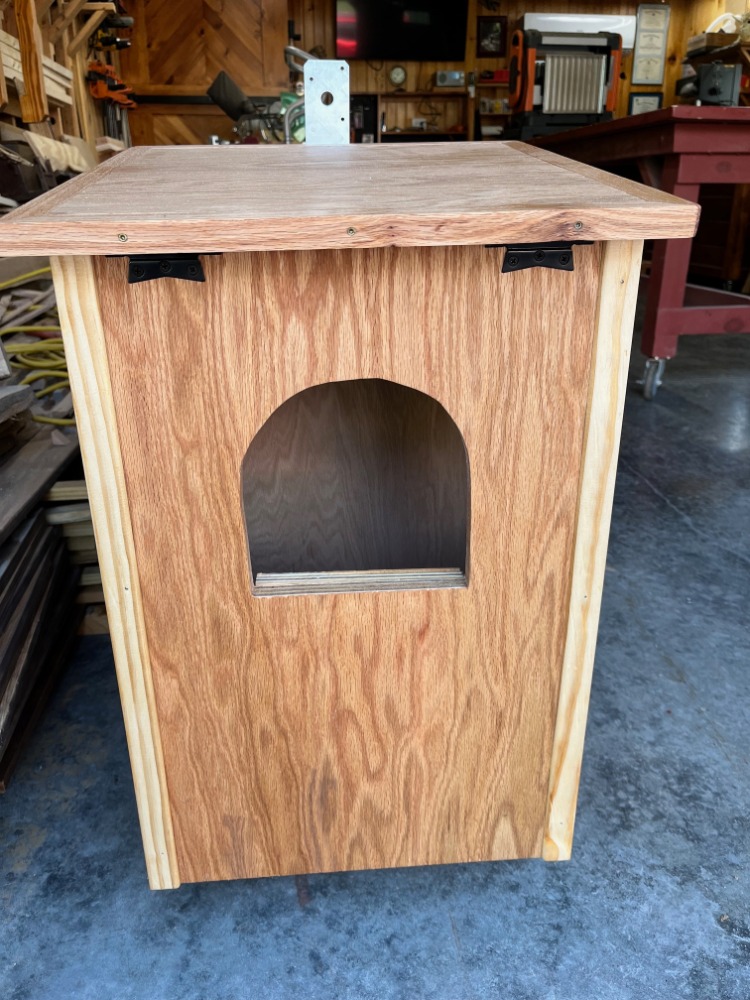
Barred Owl Nesting Box
Handcrafted in Grafton using local, exterior-grade red oak hardwood. Designed using wildlife habitat recommendations.
- Hinged roof
- Reinforced corners
- All hanging hardware included
- Free local delivery
- Built to last for many years
New Reduced Price – $200
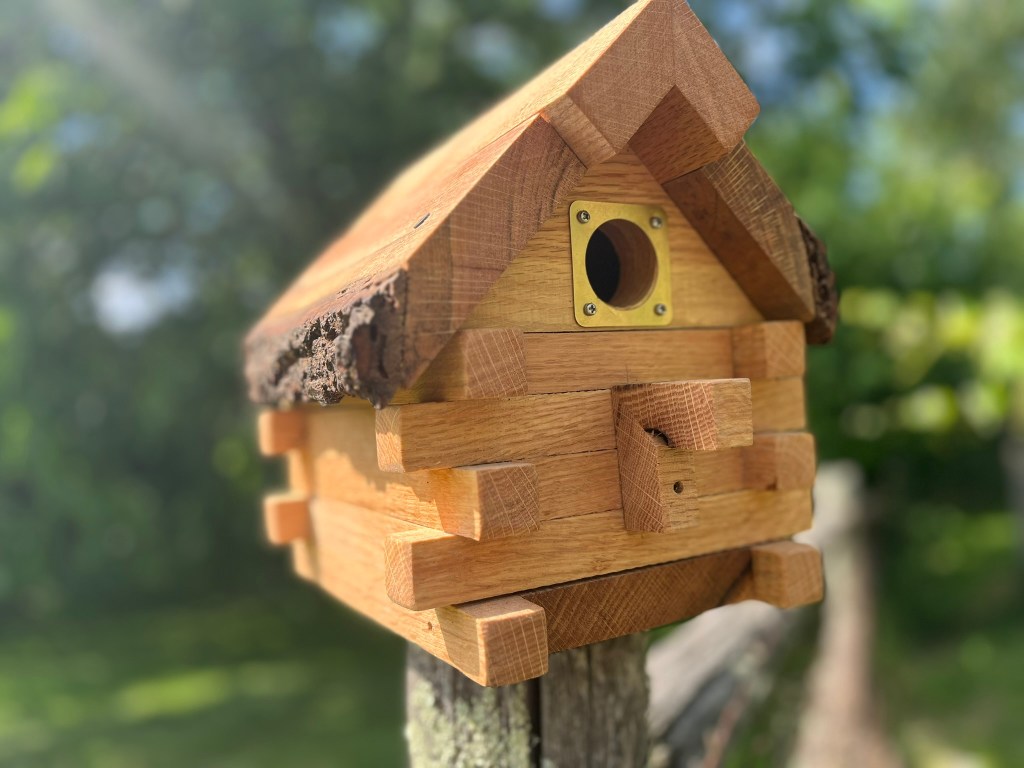
Bluebird Nesting Box
Several styles available; perfect size for bluebirds!
- Hinged opening for clean-out
- Free local delivery
- Built to last for many years
- Locally handcrafted in Grafton
New Reduced Price – $50
NEW! Small Bat Houses!
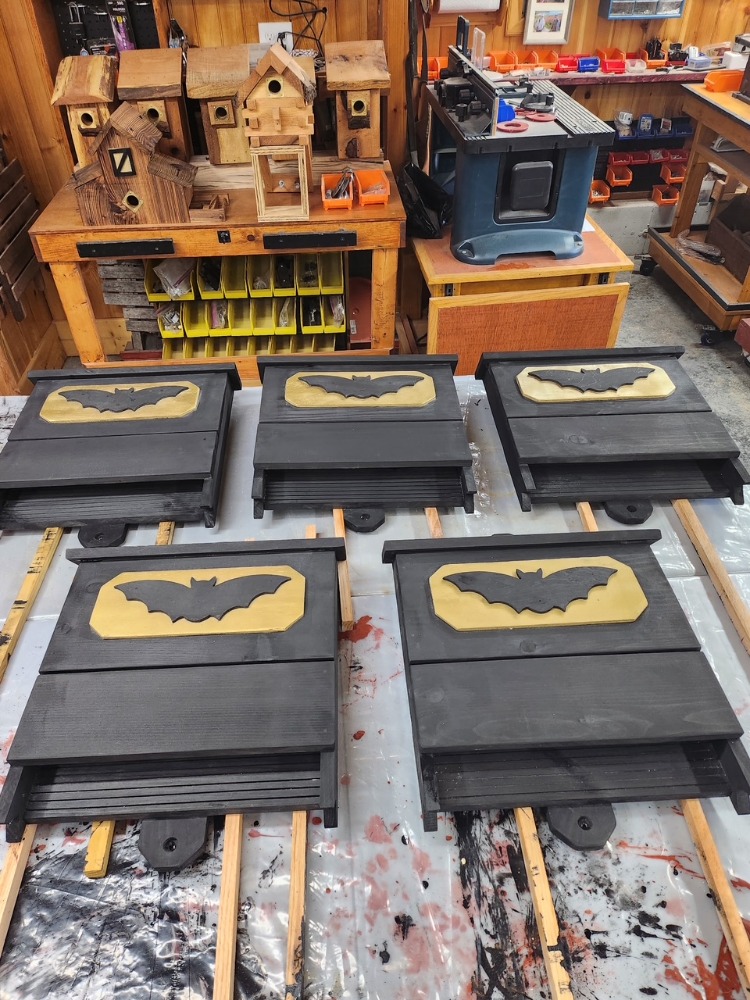
- Single-chamber bat house
- Roughened interior for climbing
- Ventilation slots
- Free local delivery and guidance on installation
- Thick, exterior-grade wood
- Durable and weather-resistant; built to last for many years
- See placement guidelines, below
New Reduced Price – $50
Large Bat Houses!
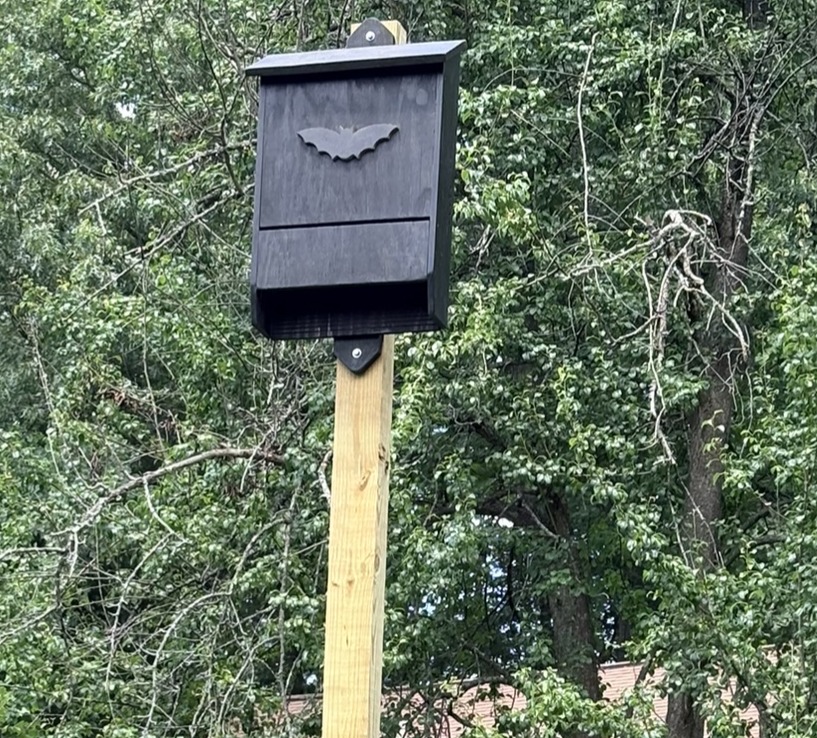
- Large, four-chamber bat house
- Supports maternity colonies
- 31″ tall and 20″ wide
- Roughened interior for climbing
- Ventilation slots
- Free local delivery and guidance on installation
- Thick, exterior-grade wood
- Durable and weather-resistant; built to last for many years
- See placement guidelines, below
New Reduced Price – $200
Nest Box Placement
The following recommendations are provided by the Cornell Lab of Ornithology:
Barred Owl:
- Ideal height: 12 to 15 feet in a live tree or on a post
- Can be facing any direction.
- Mount so that no branches or leaves obscure the entrance hole.
- Locate within 200 feet of water, if possible.
- Place 3–4″ of wood chips in bottom of box.
Bluebird:
- Bluebirds prefer open habitat: grassy field/yard or open woodland.
- Mount on a pole or fence, away from trees.
- Face entrance hole ideally to the east and towards open habitat.
- To decrease competition from tree swallows, you can pair nest boxes about 15–20′ apart, with pairs of houses about 300′ from each other.
- Clean out old nests as soon as a brood fledges so that the nest box can be used for a second nest attempt.
Bat House Placement
The following recommendations are provided by Rutgers University, MA Division of Fish and Wildlife, and Merlin Tuttle’s Bat Conservation guidelines.
- Ideal height: At least 12′ off the ground – 15′ to 20′ is ideal
- Face south/southeast – needs 6-8 hours of sun per day
- Allow 20′ of clearance all around for bats to swoop in from the bottom
- Placement on the side of a structure is recommended for temperature regulation and due to the size/weight of the bat house. Pole installation is possible but will require a heavy-duty pole (not included).
- Choose an area near water, if possible.
Optional Add-ons
Owl and bat box installation – please contact us for availability.
Bluebird box – steel pole and mounting hardware add-on – $39
Please feel free to contact us for free mounting and installation advice.

